 DataSheet
Award Winning Solutions
Xena has won multiple global awards for price/performance and technical innovation. Learn more.
Technical Expertise
Copyright © 2009-2026 Teledyne LeCroy Xena ApS, Denmark
One of the most requested features. Updateland 37 allows you to "freeze" third-party plugins during an update cycle. The platform updates the core and first-party modules, then provides a detailed report on which plugins need updates and why—without forcing you to update them immediately.
continues to expand its tiny-scale adventure with new patches focused on multiplayer survival and encampment building. 💡 Strategy Corner: Upgrading Your Core
UpdateLand 37 converts technical complexity into direct operational value. updateland 37
New developer resources focused on secure open-source deployments.
Before diving into the specifics of version 37, it is essential to understand the ecosystem. Updateland began as a niche framework designed to solve the "update fatigue" problem in legacy CMS architectures. Traditional platforms require manual intervention for security patches, plugin compatibility, and database migrations. Updateland flipped the script by introducing predictive auto-synchronization —a system that tests updates in a sandboxed shadow environment before applying them to production. One of the most requested features
Life in the 37th sector is governed by the "Great Optimization." Every Tuesday at 04:00, the sky turns a flat, matte grey, and the inhabitants freeze mid-sentence. When they wake, the coffee tastes 4% more like static, the gravity has been tuned for "better user engagement," and occasionally, a neighbor has been "deprecated"—erased to make room for more efficient foliage.
At the recent SysAdmin Day conference, the core team hinted at Updateland 38, codenamed "Ouroboros." The next iteration aims to introduce Self-Healing Binaries —where the update agent is stored inside the kernel's L1 cache, making it immune to ransomware encryption. Furthermore, version 38 will likely deprecate the term "patch Tuesday" entirely, replacing it with "Continuous Micropatching" at the nanosecond scale. continues to expand its tiny-scale adventure with new
8.2 User Trust and UX
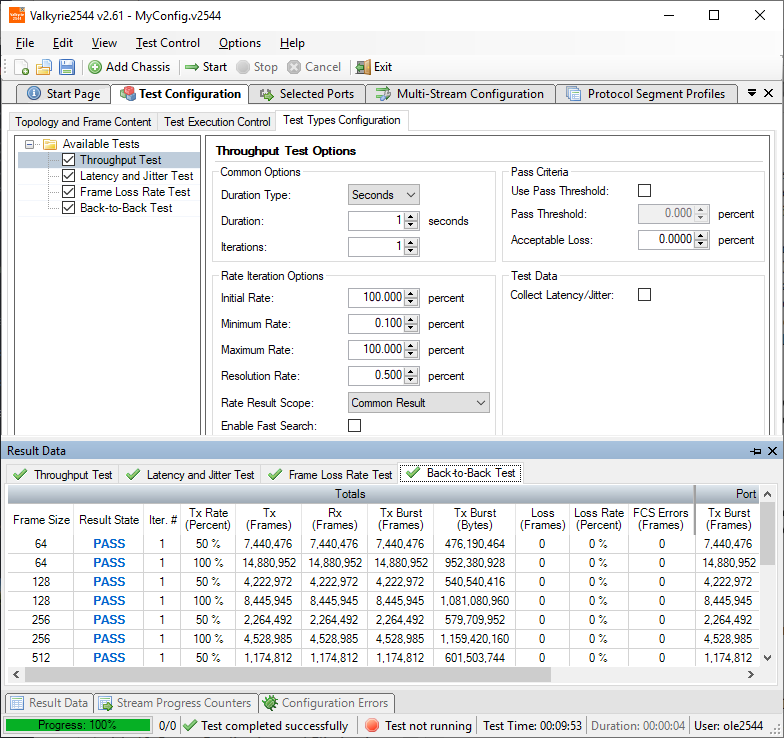
– Throughput
– Latency (FIFO, and LILO) for store-and-forward and cut-through DUTs
– Frame loss
– Back-to-back frames
– Ethernet,VLAN, Q-in-Q, MPLS, IPv4 and IPv6 frame support
– Automatic learning packets
– Custom field setting for any protocol
– Forwarding, including throughput and forwarding rates with a 16ns resolution
– Configurable maximum test rates
– L2 learning
– Repeat count
– Frame sizes same as stream
– Per test, per trial and per frame size learning
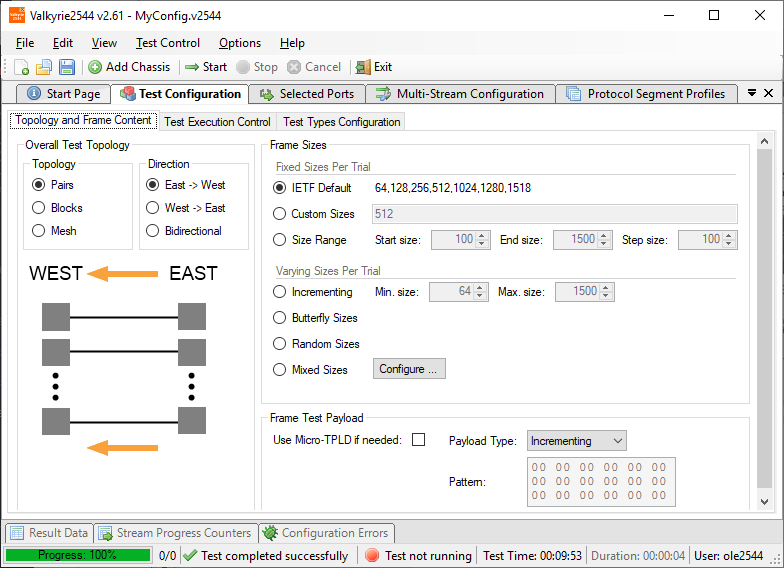
– Up to 5 chassis, 72 ports
– Full mesh, one-to-one, one-to-many, many-to-many
– Multi-port pair definitions, East/West
– Uni-directional or bi-directional testing
– Testing between any combination of port-speeds
Reports are available in PDF and .xml format.
All Xena testers and all port speeds.
Test configuration files can be executed via CLI. Linux also supported via Mono framework.
Xena has won multiple global awards for price/performance and technical innovation. Learn more.
Copyright © 2009-2026 Teledyne LeCroy Xena ApS, Denmark