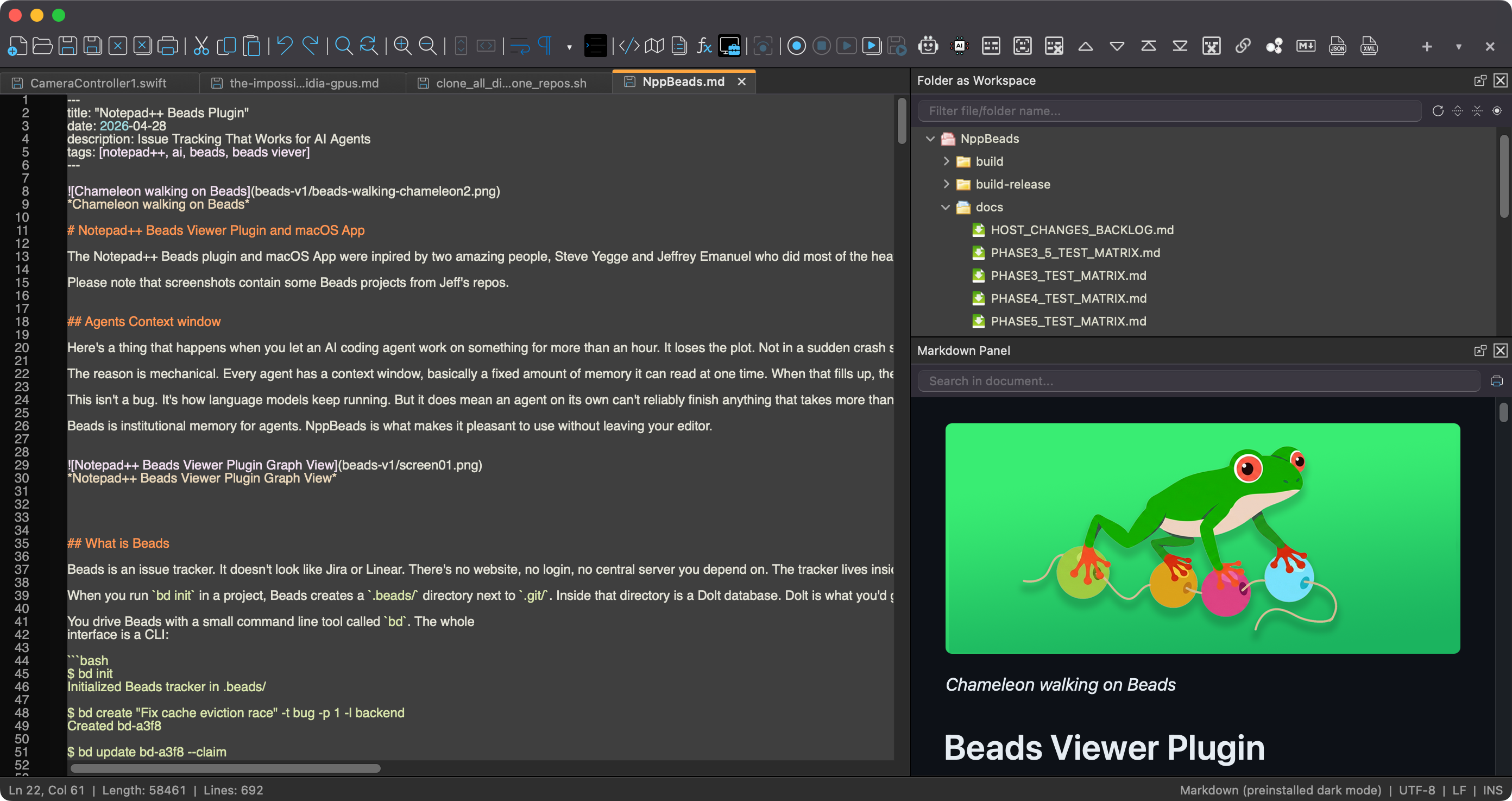
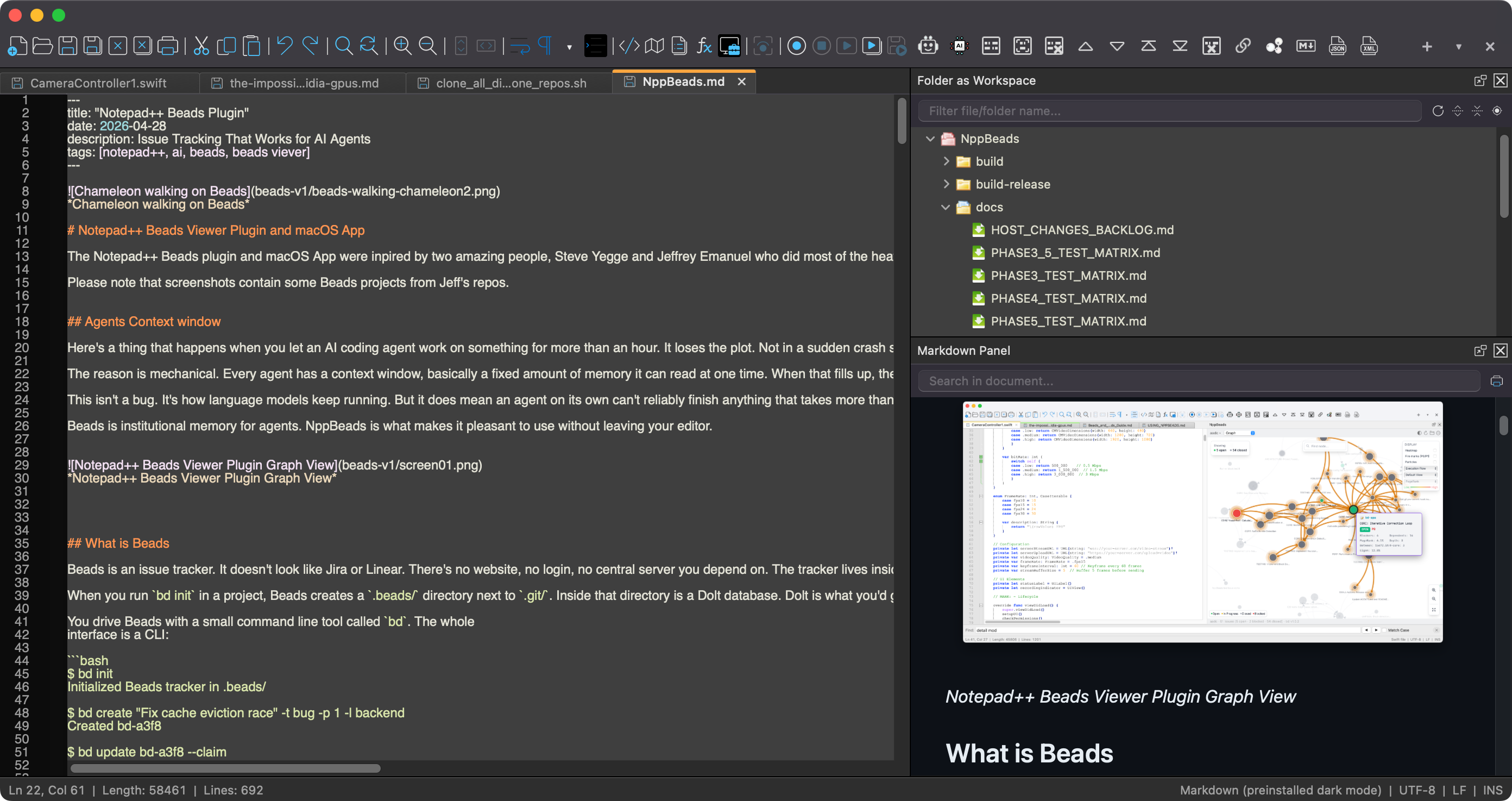
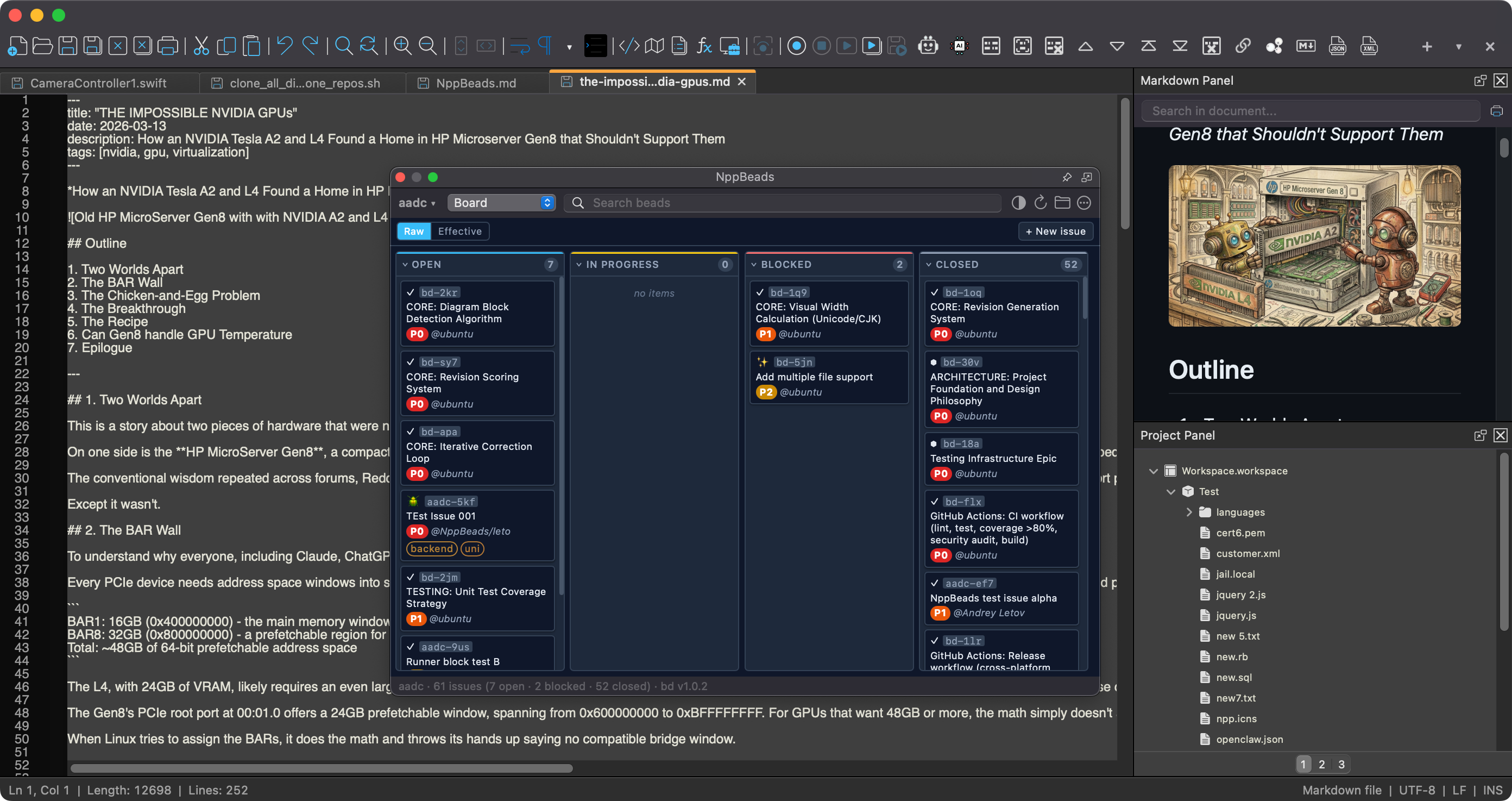
Nextpad++ is an independent community port and is not affiliated with or endorsed by the Notepad++ project.
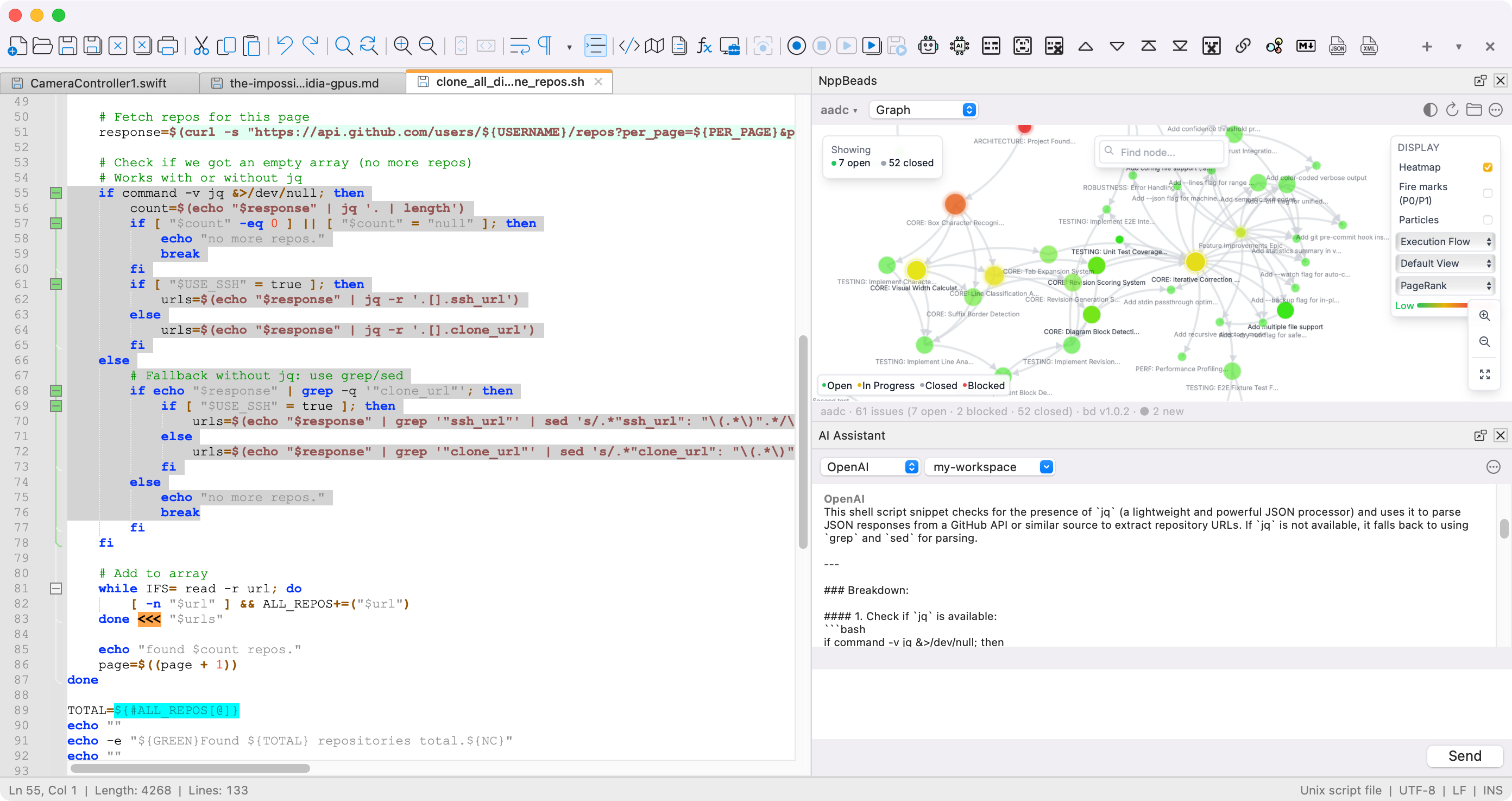
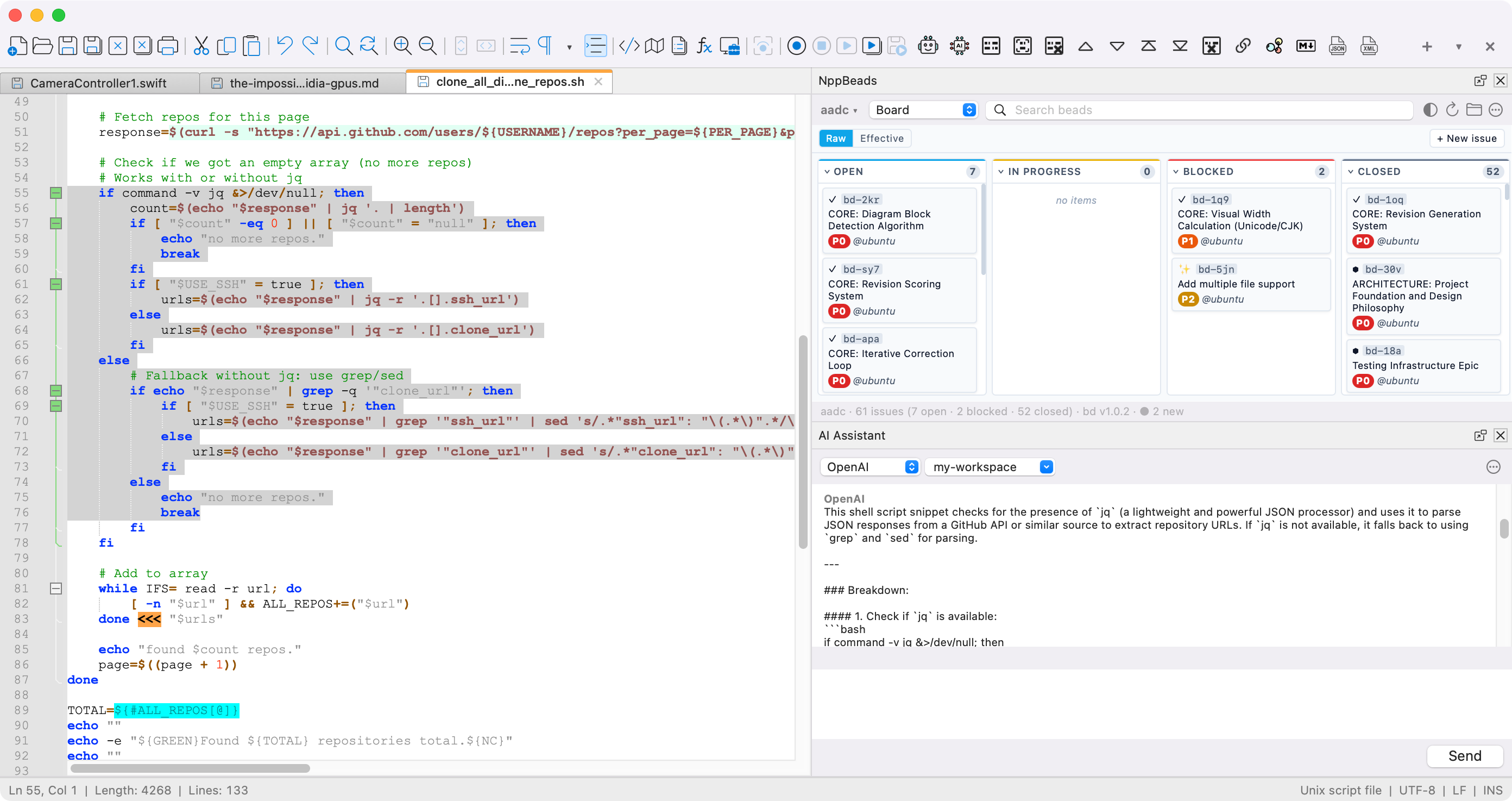
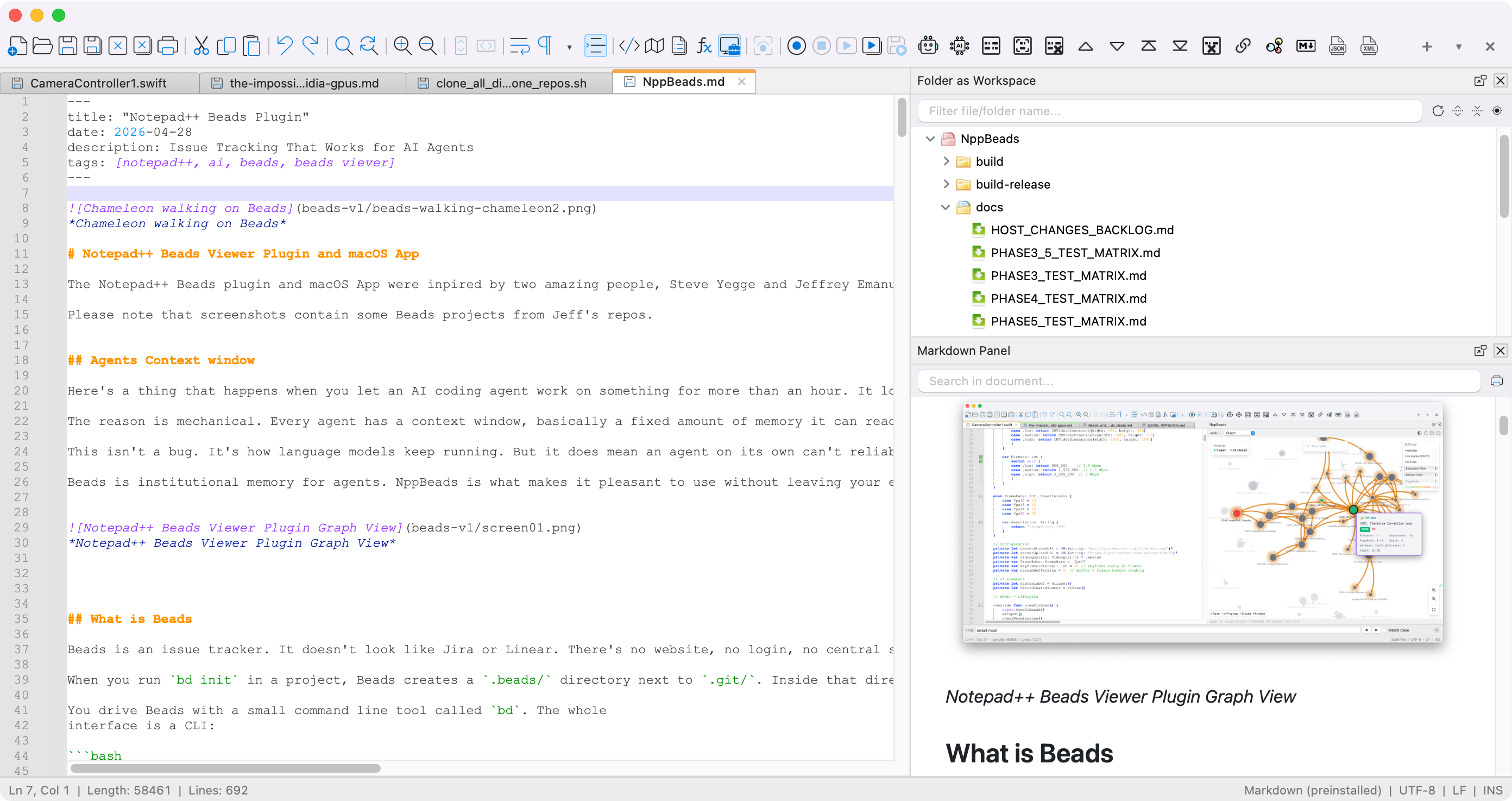
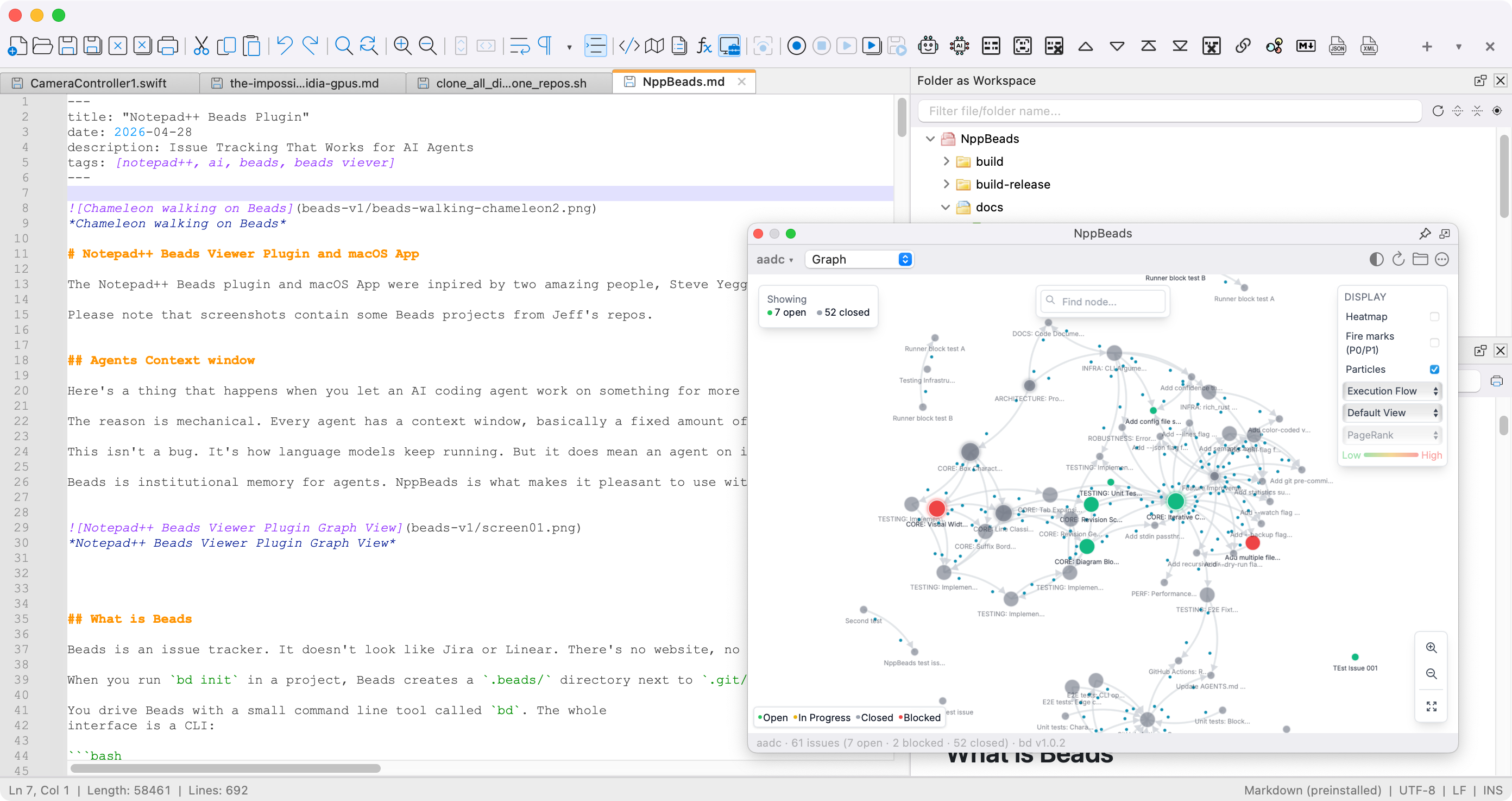
Nextpad++ is macOS native editor for Apple Silicon and Intel Macs.
Removing the "R Download" shortcut from an iPhone is not a trivial swipe but a small exercise in digital forensics. The "better" way is not a magic button but a method: identify the icon’s origin (Shortcut, Profile, or File remnant), apply the targeted removal (delete automation, remove profile, clear downloads), and verify system-wide. By understanding iOS’s distinction between launcher, app, and profile, the user turns a frustrating anomaly into a mastered skill. The phantom icon vanishes—not because the phone was reset, but because its reason for being was finally understood and revoked.
Nextpad++ is a free, open-source source code editor that supports many programming languages and is great for general text editing. No Wine, Porting Kit, or emulation layer is needed — this is an independent native Notepad++ port governed by the GNU General Public License.
Based on the powerful editing component Scintilla, Nextpad++ for Mac is written in Objective C++ and uses pure platform-native APIs to ensure higher execution speed and a smaller program footprint. I hope you enjoy Nextpad++ on macOS as much as I enjoy bringing it to the Mac. how to remove r download shortcut from iphone better
This project is an open-source and independent community port of Notepad++ to macOS, started on March 1, 2026. It is distributed as an Apple Developer ID-signed and Apple-notarized Universal Binary, runs natively on both Apple Silicon (M1–M5) and Intel Macs, and contains no telemetry, no advertising, and no data collection of any kind. The full source is available at github.com/nextpad-plus-plus/nextpad-plus-plus-macos. For the official Windows version of Notepad++, visit notepad-plus-plus.org. Removing the "R Download" shortcut from an iPhone

Removing the "R Download" shortcut from an iPhone is not a trivial swipe but a small exercise in digital forensics. The "better" way is not a magic button but a method: identify the icon’s origin (Shortcut, Profile, or File remnant), apply the targeted removal (delete automation, remove profile, clear downloads), and verify system-wide. By understanding iOS’s distinction between launcher, app, and profile, the user turns a frustrating anomaly into a mastered skill. The phantom icon vanishes—not because the phone was reset, but because its reason for being was finally understood and revoked.