

A global pop culture sensation, for the first time ever in the US fans will have a chance to compete in front of a live audience to win cash prizes.
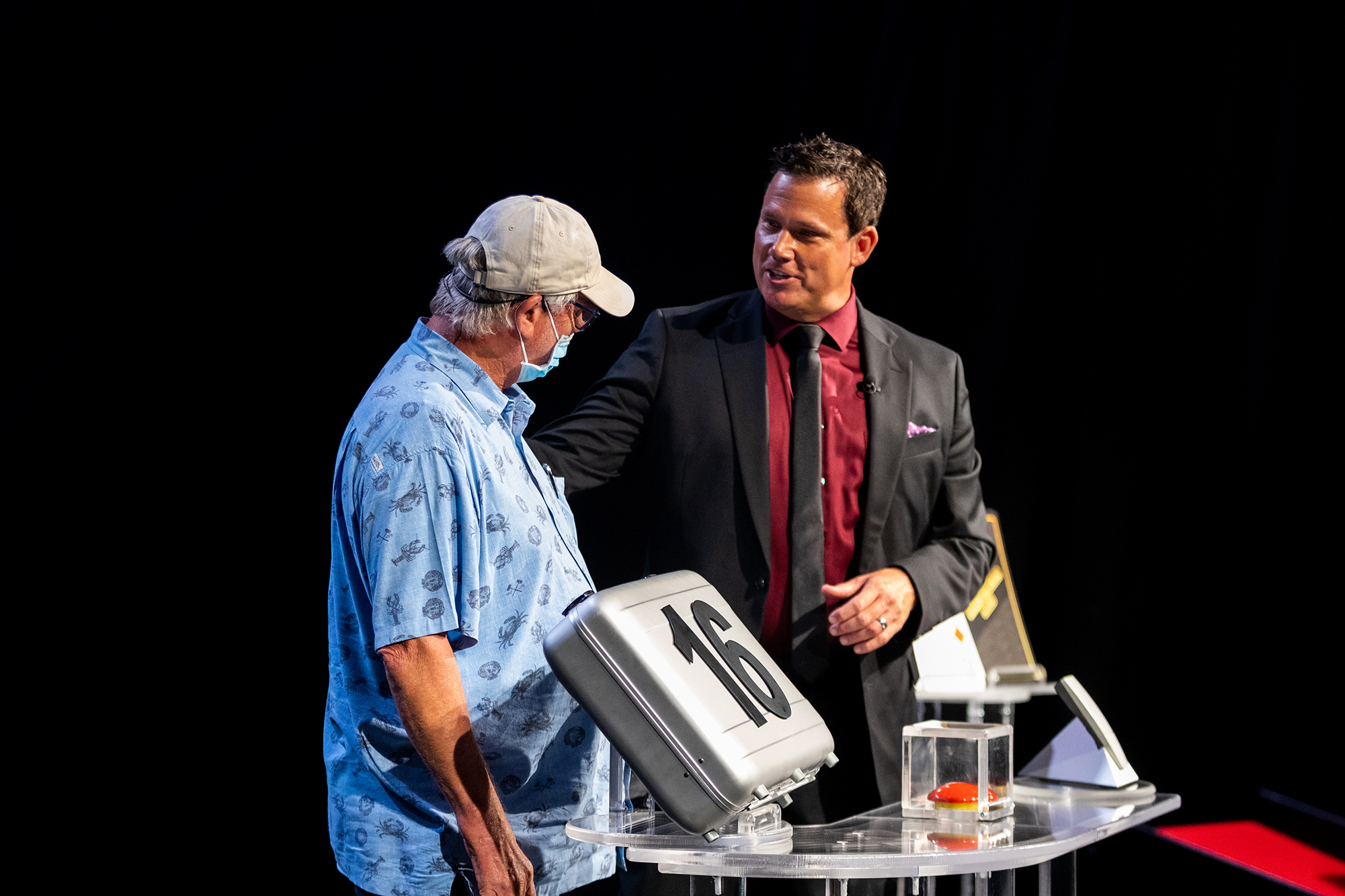
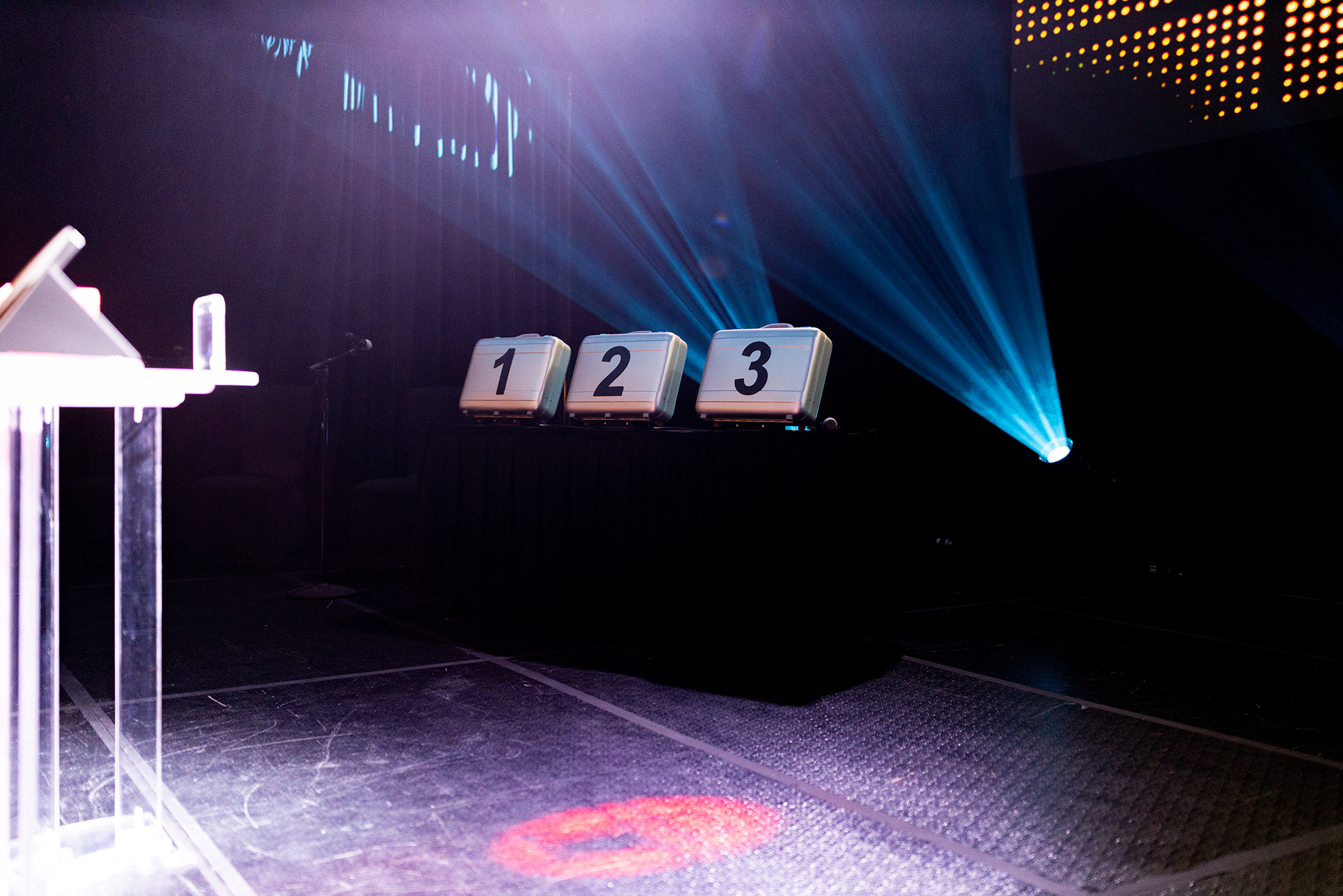
Based on the beloved game show Deal or No Deal, this exciting new stage production will provide fans the chance to select the winning case or make a deal with the banker – just like the television show. With a set replicating what fans enjoyed on TV, each show will consist of randomly selected audience members that will have a chance to compete on-stage against the banker in their own individualized game.
Each contestant will have the option of bringing up to 5 friends and family on-stage as their advisors – all so they can outwit the banker. In addition to the individual contestant games, Deal or No Deal LIVE! will feature "mini-games" throughout the show so audience members have a chance to walk away a winner.
With lots of audience interactivity and multi-media video, this show will be fun for all ages as the lively host guides the contestants through the ups and downs of the negotiation as he asks the famous question: “Deal or No Deal?" With a contemporary feel that is true to the television show, and thousands of dollars in cash prizes that will be given away per show, Deal or No Deal LIVE! is an instant must-see.






The benefits of a comprehensive approach to digital systems testing and testable design are numerous. Some of the key benefits include:
Despite these advances, test data volume continues to explode. A modern system-on-chip (SoC) may require gigabytes of test patterns. The next frontier is , leveraging machine learning to analyze wafer test data in real-time. ML models can predict which chips are likely to have latent defects based on process variations and neighbor die performance, allowing for dynamic reduction of test time for "good" parts while focusing exhaustive tests on suspicious ones. digital systems testing and testable design solution
: Assessing the ease of setting internal nodes to a specific value and observing that value at the primary outputs. The benefits of a comprehensive approach to digital
Add scan chains and BIST logic during the synthesis phase of your design. Final Thoughts The next frontier is , leveraging machine learning
This is the most common approach. It involves replacing standard flip-flops with "scan flip-flops" that can be linked into a long shift register. In "test mode," data is shifted in to set every internal state, the system runs for one clock cycle, and the results are shifted out for inspection.
In the modern era of semiconductor scaling, where integrated circuits (ICs) house billions of transistors, the gap between designing a system and verifying its functionality has widened. Digital systems testing is no longer a secondary phase of production; it is a critical pillar of the design flow. As systems become more complex, the cost of testing often rivals the cost of fabrication. To address this, Design for Testability (DFT) has emerged as the standard methodology to ensure that hardware is reliable, diagnosable, and economically viable. The Challenge of Testing